
Helping My Child With Self-Control in La Porte Meltdowns
A meltdown isn't proof that a child has no self-control. Self-control is a developing skill: learning to manage feelings and actions, pause before reacting, and make choices that support a bigger goal. If you're asking, “How can I help my child with self-control in La Porte?” the first step is to see the moment as a chance to teach, not just a behavior to stop.
When you’re helping my child with self control La Porte, it can be hard to stay calm when your child is overwhelmed, especially if the same outburst keeps happening. Clear expectations, a steady response, and consistent follow-through can help children know what to expect and practice better choices. This article explains how self-control develops, what to do during a meltdown, and how structured activities can help children practice patience, focus, and self-discipline.
Table of Contents
1. What Is Self-Control?
Self-control is a developing ability to pause, manage feelings, and choose behavior that supports a goal. It doesn’t mean a child has to stop feeling angry or disappointed. You might say, “It’s okay to feel frustrated; hitting isn’t okay,” then suggest an alternative, such as asking for a turn or stepping away. Naming the feeling while setting a clear boundary shows that the emotion is acceptable, but the behavior is not.
Programs that teach self-control combine clear expectations, adult role modeling, and practice in everyday situations. For example, a child who wants a favorite toy can practice waiting, asking with words, and following a turn-taking rule. Adults can acknowledge the feeling, explain what to do, and help the child try a safer response.
Support should fit a child’s developmental stage. Caregivers can offer children aged 24 to 36 months two acceptable choices; children aged 6 to 9 can practice stepping away briefly from frustration. For ages 10 to 12, adults can help identify triggers, while teenagers can talk through problems and consider longer-term consequences. Temperament affects how strongly a child reacts, but skills also develop through repeated learning and examples from adults.
For older children, dialectical behavior therapy (DBT) is one option that focuses on distress tolerance and emotion regulation. You can also talk with teachers about classroom expectations, such as keeping hands to oneself or waiting to speak, so your child gets consistent guidance at home and school.
Frequent meltdowns in children older than five may signal difficulty with emotional self-regulation, but they don’t establish a diagnosis. If the challenges continue, discuss them with your child’s doctor and ask whether family counseling may help. In La Porte, Texas, you can also talk with your child’s doctor or teacher about support options for your family.
How child self-control programs support children during meltdowns
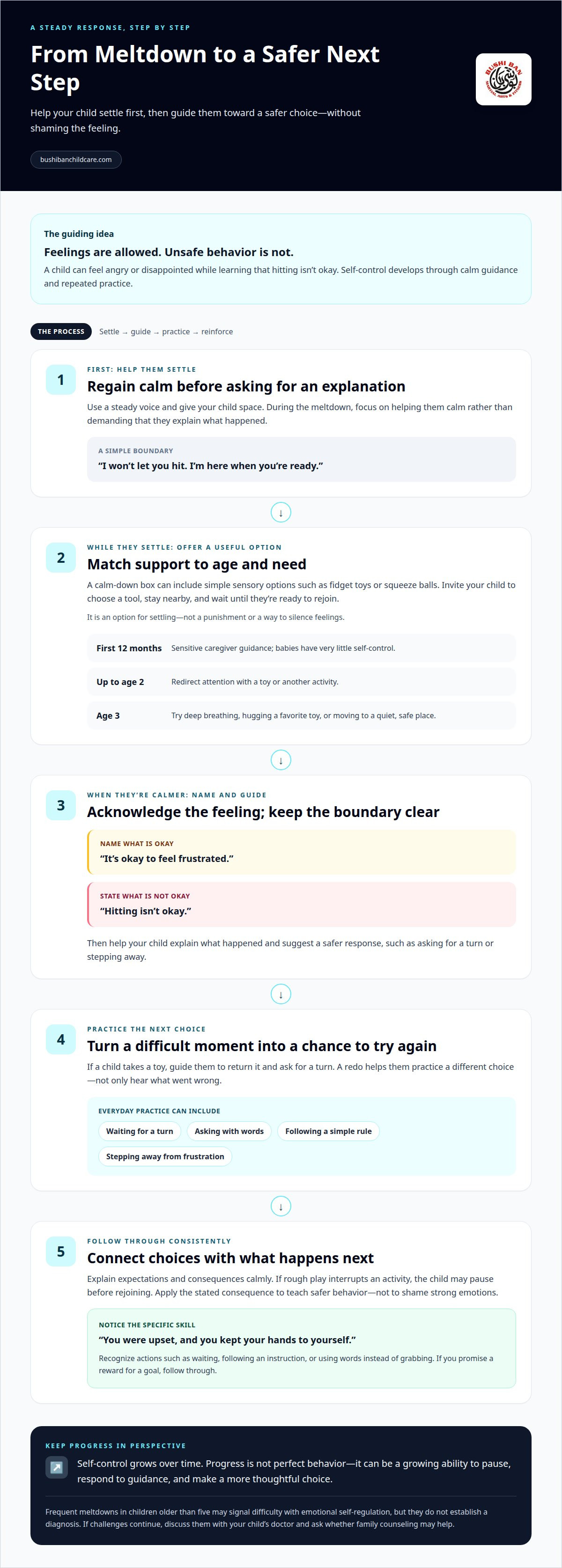
During a meltdown, focus first on helping your child regain calm rather than demanding an explanation. Use a steady voice, give them space, and state the boundary simply: “I won’t let you hit. I’m here when you’re ready.” Once your child is calmer, help them explain what happened and practice a safer response. This makes expectations clear without shaming them.
Support changes with age and needs. During the first 12 months, babies have very little self-control and rely on sensitive caregiver guidance as they begin managing feelings and actions. For children up to age two, caregivers can redirect attention with a toy or another activity. For a three-year-old, the Centers for Disease Control and Prevention describes deep breathing, hugging a favorite toy, or moving to a quiet, safe place as ways to manage stressful feelings.
A calm-down box can offer simple sensory options, such as fidget toys or squeeze balls. Invite your child to choose a tool, stay nearby, and wait until they’re ready to rejoin the activity. The box isn’t a punishment or a way to silence feelings. It gives children a practical option for settling themselves before returning to play or school routines.
A parent may wonder, “Am I helping my child with self-control in La Porte when meltdowns continue?” Professionals can recognize the effort behind a small step: “You were upset, and you kept your hands to yourself.” Specific, nonjudgmental feedback helps children notice the skill they used. Families thinking, “I’m helping my child with self-control in La Porte, but they need more practice,” can consider how guided group activities offer chances to build patience and composure. A structured after-school setting can provide opportunities to practice listening and following directions.
How child self-control programs follow through on consequences and rewards
Consistent follow-through helps children connect a choice with what happens next. In a structured program, an adult explains the expectation and consequence, then applies it calmly if a child breaks a rule. For example, if rough play interrupts an activity, the child may pause before rejoining. The goal is to teach discipline and safer behavior, not to shame a child for strong emotions.
Rewards can reinforce a specific behavior your child is learning. Recognize actions such as waiting for a turn, following an instruction, or using words instead of grabbing. Feedback like, “You waited while your classmate finished,” makes the desired behavior clear. If you promise a reward for a goal, following through helps your child connect effort with recognition.
Consequences should fit the child’s age and the behavior. For children reaching age two, a brief time-out in a designated area can show that an outburst has a consequence. For children ages 3 to 5, parents can end a time-out when the child calms down rather than setting a specific time limit. A calm adult can then explain the expectation and help the child return to the activity.
Programs can also use a redo to turn a difficult moment into another chance for learning. If a child takes a toy, an adult can guide them to return it and ask for a turn. The child practices a different choice instead of only hearing what went wrong. Matching choices with consequences, including through puzzle pieces, can help children think through how actions affect themselves and others.
During play and group activities, keep expectations simple and consistent. Recognize a calm response, apply a stated consequence, and offer a chance to try again when appropriate. Repeated practice helps children build self-control gradually. Progress doesn’t mean perfect behavior; look for a growing ability to pause, respond to guidance, and make a more thoughtful choice.
4. What self-control means in childhood
Self-control isn’t simply obeying instructions or hiding emotions. It’s the gradual process of learning to notice feelings, settle the body, and choose an action. Self-regulation helps children reach a calm, alert state. The distinction matters: a frustrated child may need help calming down before teaching or problem-solving can work.
Development takes time. Self-control begins in a baby’s earliest months and continues through the first three years and beyond. At nine months, a baby can start learning to accept an alternative when a favorite object is off-limits. Babies may bite or grab, but they don’t yet have the thinking skills to hurt someone on purpose. Respond with guidance rather than assuming intent.
Choose practice that fits the situation. A one-year-old can begin to understand a short wait, while two- and three-year-olds can practice taking turns when an adult follows through within two or three minutes. These small experiences teach children that waiting has an end and other people have needs, too. Explain what comes next and keep expectations manageable.
Children learn by watching adults. When you pause, take a breath, and speak respectfully in a frustrating moment, you model self-control. Predictable routines and clear boundaries around activities give children regular chances to practice self-regulation. Turn-taking games, including Jenga, can make patience and thinking before acting part of play.
By around five years old, children should be able to regulate emotions with some success, though the skill is still developing. Frequent meltdowns in children older than five may signal difficulty with emotional self-regulation. Look for growing skills rather than perfect behavior: can your child recover, accept guidance, and try a safer response? That’s more useful than expecting them never to feel upset.
Bushi Ban Child Care
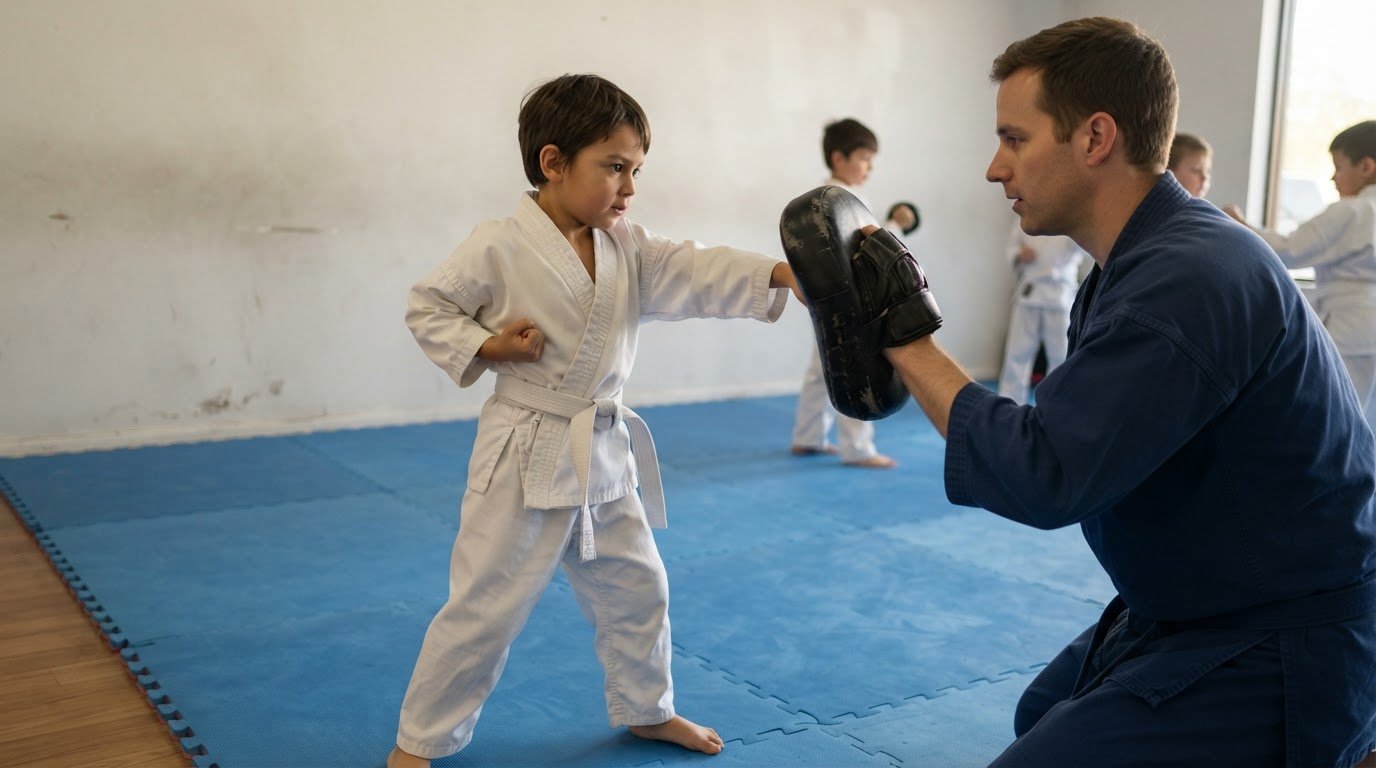
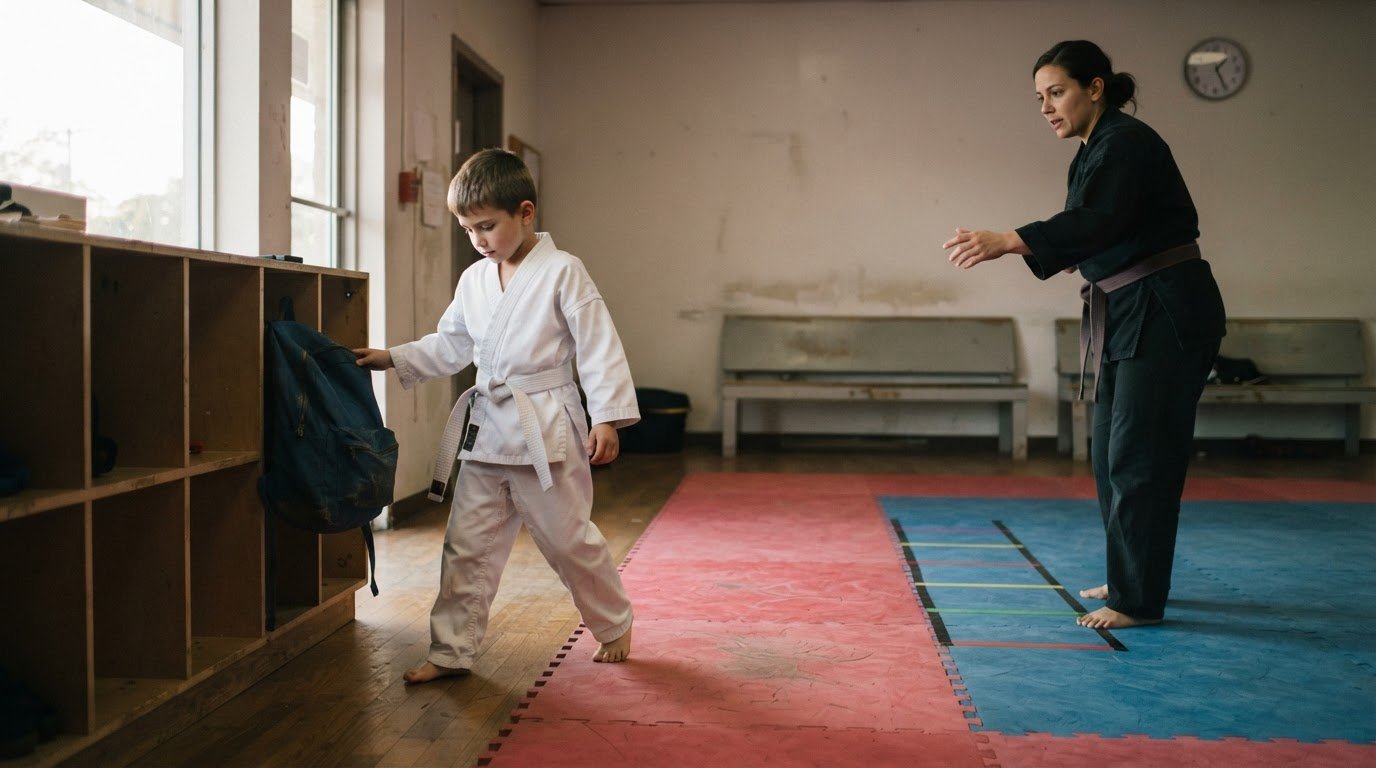
Bushi Ban Child Care offers structured after-school activities where children can practice discipline, focus, and following directions. Martial arts and fitness activities provide opportunities to work on these skills through movement, while the Student Leadership Program helps students develop teaching and activity-leading skills. These programs can complement guidance at home and school, but they aren’t a substitute for a child’s therapist or individualized mental health care.
If you want your child to practice self-control through regular, guided activities, consider the options at Bushi Ban Child Care. The After-School Martial Arts Program, Martial Arts & Fitness Classes, and Student Leadership Program offer different ways to engage through movement and responsibility. Seasonal and Holiday Camps provide another structured activity option during school breaks for families in La Porte, Pasadena, and Deer Park.
To explore which program may suit your child’s interests, contact Bushi Ban Child Care in La Porte, Pasadena, or Deer Park.
Make the next step a steady one
Start with one skill your child is ready to practice, such as pausing before responding or asking for help. Choose a calm moment to talk about the skill, then notice genuine effort when it happens. A small, repeatable goal gives your child direction without making every difficult moment feel like a test.
If you’re helping your child build self-control in La Porte, remember that growth doesn’t require perfect days. It takes patience, consistent guidance, and opportunities to try again. When you’re ready to explore a structured activity setting that supports children’s development, talk with Bushi Ban Child Care.
Keep the focus on the next choice your child can practice. With encouragement and steady support, each effort can help build confidence for challenges ahead.
Frequently Asked Questions
What Is Self-Control?
Self-control is the developing ability to guide actions instead of reacting immediately to an urge. It helps a child pause before grabbing a toy, calling out, or leaving an activity. The skill isn’t about having no strong feelings; it’s about choosing what to do while those feelings are present. Children build it through repeated practice, clear boundaries, and adult examples in everyday situations.
What does emotional dysregulation look like?
Emotional dysregulation can look like difficulty returning to a manageable state after frustration, disappointment, or excitement. A small change in plans, for example, might lead to shouting, throwing an object, or struggling to rejoin play. One difficult moment doesn’t explain the cause. Notice what happened beforehand, how your child responds to support, and whether the difficulty disrupts everyday routines.
What is self-regulation?
Self-regulation is the process of managing the body and feelings to reach a calm, alert state. It supports self-control, but it isn’t the same thing: a child who is overwhelmed may need help settling before they can make a thoughtful choice. After a noisy game, for instance, a quiet pause and a drink of water may help the child get ready to listen again.
What activities in child programs help children practice impulse control and emotional regulation?
Turn-taking board and card games give children a reason to wait, notice whose turn is next, and manage the urge to rush. In Drum Leader, children listen closely and copy a leader’s rhythm, practicing focus and patience. A bubble activity can encourage children to pause instead of popping every bubble. These playful exercises make waiting and attention tangible without expecting perfect performance.
How can child care professionals respond to tantrums and impulsive behavior?
Adults can address immediate safety with a calm, brief boundary, such as, “I’ll keep everyone safe.” Give the child space to settle, then talk through the situation when they’re ready. A useful follow-up is to identify one next action: return the toy, ask for a turn with words, or rejoin the group calmly. This turns correction into guided practice.
Comments